Economy and InvestmentOpinion
Sunlight as the next export: Libya’s renewable energy opportunity
Some of the strongest sunshine in the world, open land and a short distance to Europe give Libya a real opportunity in clean energy, alongside its oil and gas.


Libya is known for its oil and gas, and rightly so: hydrocarbons have powered the country’s development for more than half a century and will remain central to its economy for years to come. But Libya holds another energy resource in abundance, one that rises every morning over the desert. Few places on earth receive more sunshine.
Combined with vast open land and a short distance to European markets, that sunshine gives Libya a genuine opportunity in renewable energy. The question is how to seize it in a way that complements, rather than competes with, the country’s existing strengths.
Three reasons to act
01Reliable power at home
Solar energy can strengthen electricity supply for homes, businesses and public services, and reduce the use of fuel for domestic power generation, freeing more oil and gas for export.
02Diversification
Renewable energy creates a new industry, with jobs in construction, operation, maintenance and engineering, and reduces the economy’s dependence on a single source of revenue.
03A future export
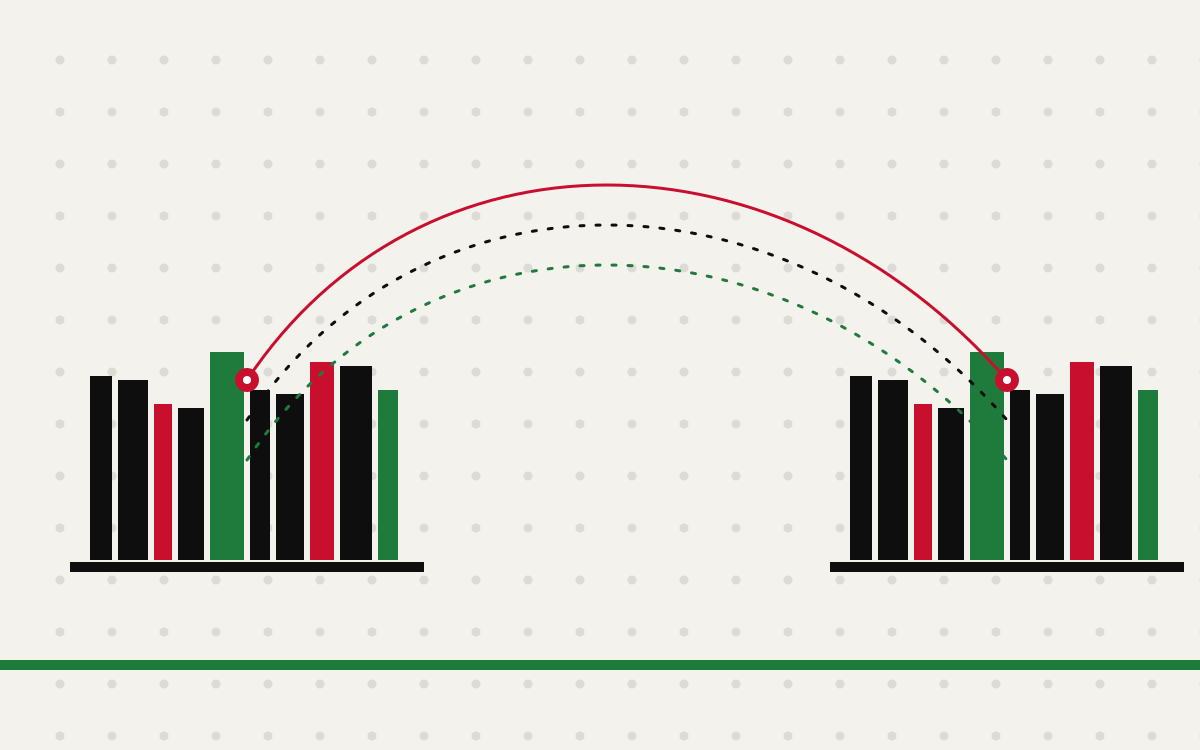
As Europe looks for clean energy, Libya’s location makes it a natural candidate for electricity and, in time, green hydrogen exports. Interconnection across the Mediterranean has been studied for years and becomes more attractive as technology costs fall.
Oil built modern Libya. Sunlight can help secure its next chapter.
A fair reading of what it will take
Potential is not the same as capacity. Turning sunshine into reliable power requires investment in the grid, clear regulations for independent producers, bankable contracts and a skilled workforce. These are solvable challenges, and Libya is not starting from zero: national institutions have already set targets for renewable energy, and pilot projects are under way.
It is also worth being realistic about sequencing. Serving domestic demand comes first; large-scale export depends on infrastructure that will take years to build. A credible plan recognises both.
Where partners can help
01Technology and finance
International developers, development banks and partner governments can bring capital and experience in structuring projects.
02Standards and regulation
Partners with mature renewable markets can share regulatory models that attract investment while protecting the public interest.
03Skills
Training programmes for Libyan engineers and technicians ensure that the benefits of the new industry stay in the country.
An energy partner for the long term
Libya’s oil and gas will continue to matter to its partners, and its revenues can help finance the transition. Adding renewable energy to the relationship makes Libya a more complete energy partner: reliable today, and part of the solution tomorrow. For a young population that will live with the consequences of today’s energy choices, that is a future worth planning for.
The views expressed in this article are my own and do not represent any employer, government body or institution with which I am affiliated.
Your view
Was this article useful? Rate it, leave a comment or suggest a topic. Comments come to me directly and are not published automatically.