Diplomacy and PartnershipsOpinion
Education as a bridge: what UK–Libya academic ties can achieve
Generations of Libyans have studied in Britain. Turning those individual journeys into institutional partnerships is the next step.


I arrived in Nottingham as a young engineering student and left the United Kingdom, years later, with two degrees in engineering, a master’s in international relations and a network of friends and teachers that I still draw on today. My story is not unusual. For decades, Libyan students have studied in British universities and returned home as engineers, doctors, academics, managers and public servants.
Working at the Embassy of Libya in London, I now see this relationship from the other side. It is one of the strongest and least visible assets that Libya and the United Kingdom share.
A relationship built one student at a time
Educational ties work because they are personal. A scholarship changes one life, and that life goes on to touch a family, a workplace and often a whole sector. The Chevening programme, which brought me to the University of Birmingham, is one example among many of how a single year of study can create a lasting connection between two countries.
Libya has also invested for many years in sending its students abroad, and the United Kingdom has remained one of the most popular destinations. The result is a community of alumni on both sides who understand each other’s institutions, language and ways of working.
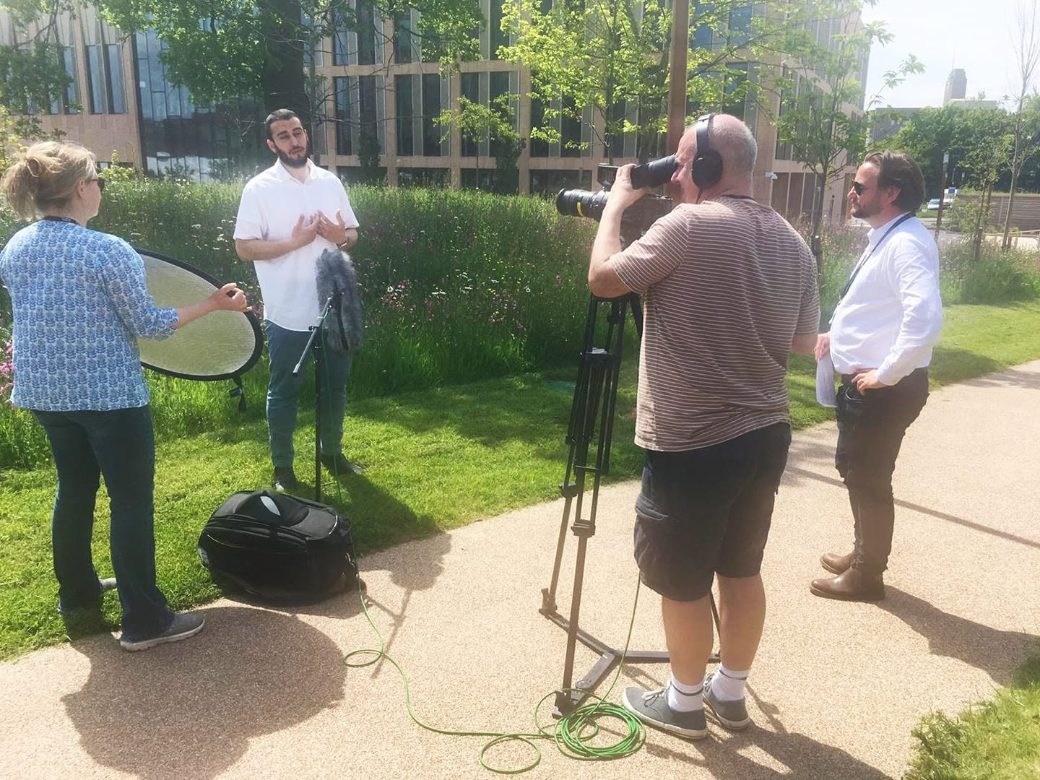
Scholarships create friendships between people. Partnerships turn those friendships into shared institutions.
A fair reading of where we stand
At the level of individuals, the relationship is strong. At the level of institutions, there is room to grow. Many connections still depend on personal initiative rather than on structured partnerships between universities, research centres and professional bodies. That is an opportunity rather than a weakness: the human foundations are already in place, and building on them is far easier than starting from nothing.
Four areas where academic ties can deliver more
01University partnerships
Joint degrees, staff exchange, shared research and quality-assurance cooperation can connect Libyan and British universities in ways that benefit students who never leave home.
02Technical and vocational education
Libya’s economy needs technicians, engineers and skilled trades as much as it needs graduates. British experience in vocational training and apprenticeships is directly relevant.
03English language
English opens doors to study, trade and international cooperation. Investing in English teaching, and in the training of Libyan teachers of English, multiplies the value of every other partnership.
04Alumni networks
Thousands of Libyans hold British qualifications. Bringing them together, in Libya and in the United Kingdom, creates a ready-made bridge for mentoring, business and professional exchange.
Education and the next generation
Libya’s population is young, and its National Youth Strategy places learning and skills at the centre of the country’s future. Academic ties with partners such as the United Kingdom are a practical way to support that ambition, with benefits that flow in both directions: British institutions gain motivated students and research partners, and Libya gains knowledge, standards and lasting friendships.
I owe a great deal to the teachers and institutions that welcomed me. The best way to repay that debt is to help make the same journey possible for others, and to help turn many individual journeys into a shared road between our two countries.
The views expressed in this article are my own and do not represent any employer, government body or institution with which I am affiliated.
Your view
Was this article useful? Rate it, leave a comment or suggest a topic. Comments come to me directly and are not published automatically.