Trade and ConnectivityOpinion
Libya’s coast and free zones: a gateway between Europe and Africa
With the longest Mediterranean coastline of any African country and a growing network of free zones, Libya can connect European and African markets.

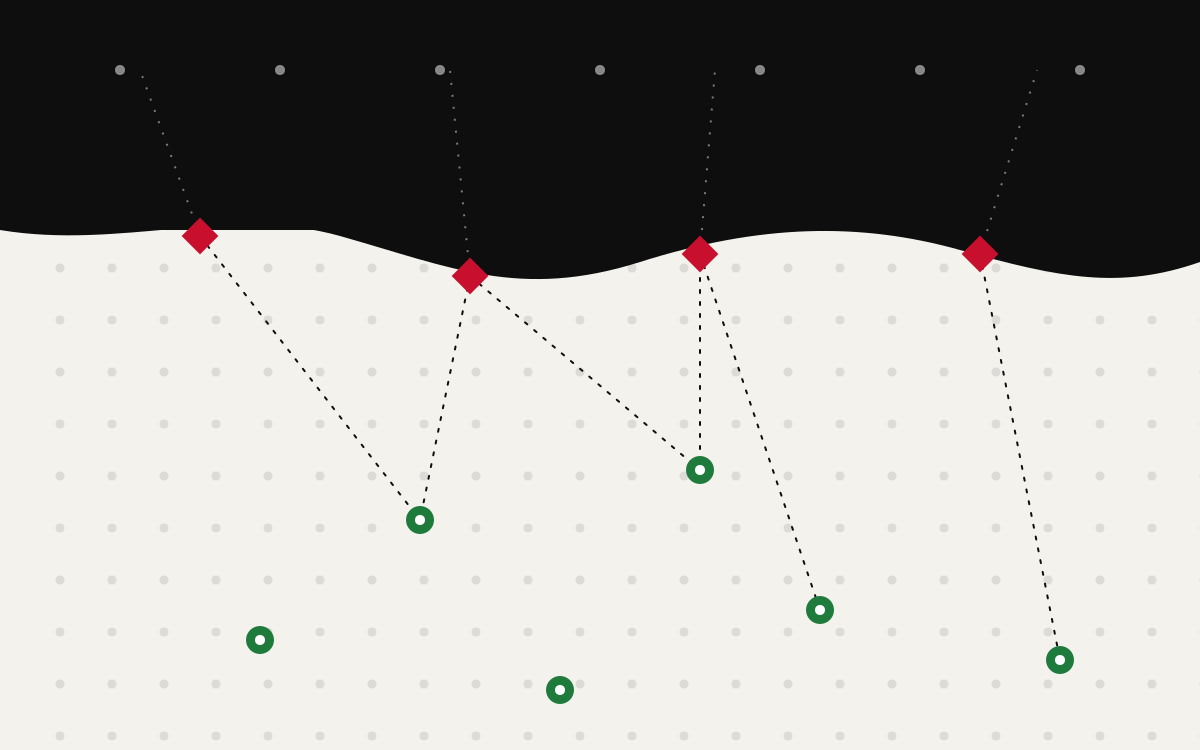
Look at a map of the Mediterranean and Libya’s position is striking. Its coastline, the longest of any African country on the Mediterranean at around 1,770 kilometres, faces southern Europe, while its southern borders open onto the Sahel and the heart of the continent. For centuries, trans-Saharan routes linked Libyan ports to markets deep in Africa.
That geography is not only history. It is one of Libya’s most valuable economic assets for the future.
Ports and free zones as engines of trade
Libya’s ports, and the free zones developed around them, can play a central role in that future. Free zones offer a framework in which logistics, light manufacturing, warehousing and re-export activities can grow, supported by streamlined procedures and services designed for investors.
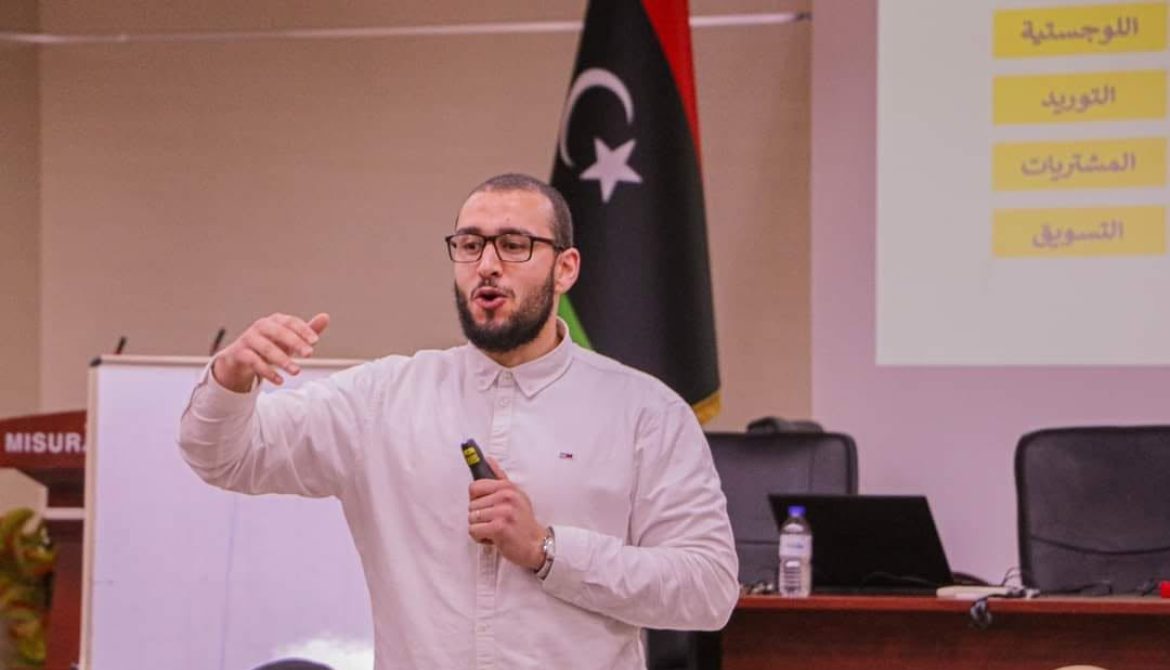
The Misrata Free Zone shows what this model can offer: a port-based hub connecting businesses to regional markets. I have had the opportunity to work with entrepreneurs there, and I have seen the energy that well-designed economic zones can release among young Libyans.
Geography gives Libya a head start. Connectivity turns that advantage into shared prosperity.
What it takes to become a gateway
01Modern logistics infrastructure
Efficient ports, road corridors, storage and cold-chain facilities reduce the time and cost of moving goods between the Mediterranean and African markets.
02Trade facilitation
Clear, digital and predictable customs and licensing procedures make a decisive difference to traders and investors, large and small.
03Regional cooperation
Coordination with neighbouring countries on transport corridors, standards and border procedures can turn national infrastructure into regional networks. Continental frameworks such as the African Continental Free Trade Area open new opportunities for this kind of integration.
04Skills and enterprise
Logistics, digital trade and business services need skilled people. Training young Libyans in these fields creates jobs and builds the human capacity a trade hub requires.
A partnership opportunity
For European partners, a well-connected Libya offers a reliable route to growing African markets. For African partners, it offers access to the Mediterranean and beyond. For Libya, it offers diversification, investment and employment for a young generation.
Realising this potential will take time, investment and close cooperation between Libyan institutions, the private sector and international partners. The foundations are already in place: the coast, the ports, the free zones and the people. Building on them is an investment in shared prosperity across two continents.
The views expressed in this article are my own and do not represent any employer, government body or institution with which I am affiliated.