Economy and InvestmentOpinion
Investing in Libya: a practitioner’s view of what works
Two years in investment management taught me that Libya offers real opportunity, and that predictability and partnership are what unlock it.

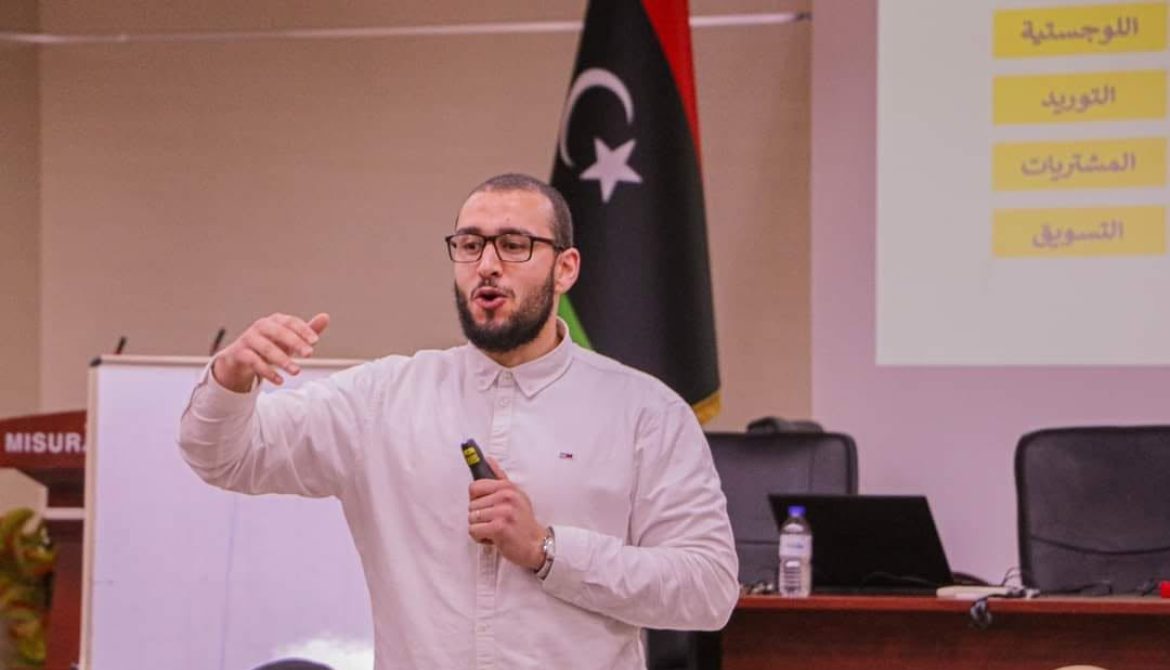
Between 2023 and 2025 I worked in investment: first in the project management office of the Libyan Foreign Investment Company in Tripoli, and then as General Manager of its real estate company in Cairo. I negotiated with partners, reviewed projects and sat in many rooms where the question was the same: should we invest, and on what terms?
That experience gave me a practical view of how investors think, and of what Libya can do to attract the investment it needs.
What Libya offers
01Real demand
Libya needs housing, infrastructure, energy, health facilities, logistics and digital services. This is not speculative demand; it is backed by national priorities and by a young population with rising expectations.
02Resources and location
Significant natural resources, a long Mediterranean coast and proximity to Europe and Africa give investors several reasons to be present.
03A capable private sector
Libyan entrepreneurs have shown resilience and creativity. Many are ready to partner with international companies that bring capital, technology and management experience.
04Libya as an investor
Libya is also a source of investment, with institutions that hold assets across Africa, the Middle East and Europe. These institutions can be natural partners for international companies entering the Libyan market.
Investors do not ask for perfect conditions. They ask for conditions they can understand and rely on.
What investors look for
In my experience, four things matter most: clear procedures, from registration to licensing and repatriation of profits; reliable local partners; access to accurate information about markets and regulations; and confidence that agreements will be honoured and disputes resolved fairly. Libya’s investment framework already offers incentives in priority sectors. The task is to make the whole journey, from first enquiry to first return, as predictable as possible.
A fair reading of the environment
Libya is a market with real opportunity and real complexity. Procedures can take time, information is not always easy to find, and investors need patience and good local advice. At the same time, institutions are increasingly aware of these issues, and practical improvements, such as single windows for investors, digital registration and published regulations, can change the experience quickly.
What I would say to a potential partner
01Start with a Libyan partner
Local knowledge is the best protection against surprises. A credible Libyan partner brings relationships, understanding of procedures and shared commitment.
02Invest in project management
Clear governance, realistic schedules and disciplined reporting make the difference between projects that stall and projects that deliver. This is as true in Tripoli or Misrata as anywhere else.
03Think long term
The strongest returns in Libya will come to investors who build trust, train Libyan staff and treat the market as a long-term relationship rather than a single transaction.
Libya’s development will be financed by a combination of national resources and international investment. Making the country easier to invest in, and making Libyan institutions reliable partners, is a shared project in which every successful investment builds confidence for the next.
The views expressed in this article are my own and do not represent any employer, government body or institution with which I am affiliated.
Your view
Was this article useful? Rate it, leave a comment or suggest a topic. Comments come to me directly and are not published automatically.