People and Human CapitalOpinion
Coming home: what Libya gains when its professionals return
Libyans who studied and worked abroad bring skills, standards and networks home. Clear pathways help that experience take root.
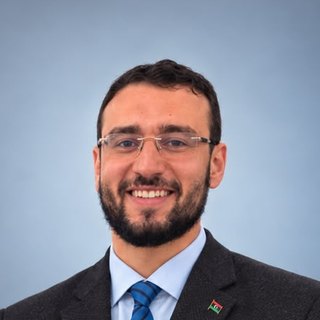

When I returned to Libya in 2017 after years of study and work in the United Kingdom, I expected the transition to be simple. It was not. I spoke Arabic with an accent that had changed, I worked in ways shaped by a different professional culture, and I had to rebuild a network almost from the beginning. I have described that period in my book as being a “familiar stranger”: at home, and yet learning my own country again.
I share this not as a complaint but as a common experience. Returning professionals in many countries go through the same adjustment, and the way a country receives them makes a real difference to what they are able to contribute.
What returning professionals bring
01Skills and standards
Years in universities, companies and organisations abroad build technical knowledge, but also habits: planning, documentation, time management and teamwork across cultures. These habits transfer quickly to any workplace that welcomes them.
02Networks
Returnees bring relationships with universities, businesses and institutions abroad. Those relationships are a bridge for cooperation, investment and knowledge exchange.
03Perspective
Having seen how other systems work, returnees can help institutions compare, adapt and improve, while understanding Libyan realities from the inside.
04Commitment
Choosing to return is itself a statement of confidence in the country. That motivation is an asset to any team.
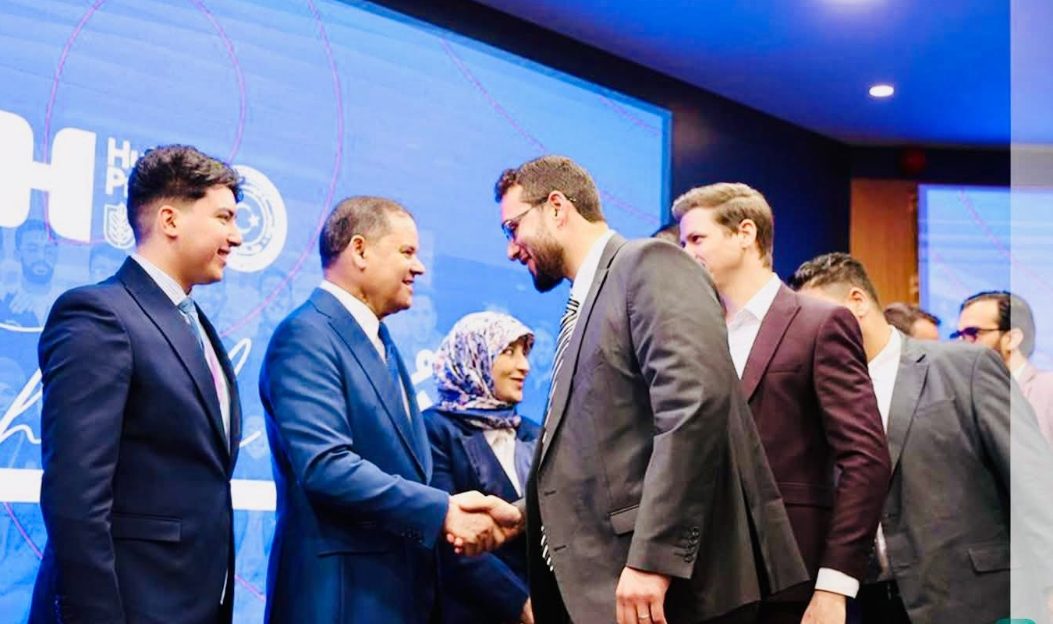
Returning home is not a step backwards. It is a decision to be part of the building.
A fair reading of the challenges
It would be unfair to pretend that the path is always clear. Qualifications earned abroad sometimes need recognition; professional networks take time to build; and institutions do not always have simple entry points for people whose experience does not match a familiar profile. None of this is unique to Libya, and all of it can be improved with practical steps.
What helps experience take root
01Clear pathways
Transparent recruitment, published opportunities and simple procedures for recognising foreign qualifications allow institutions to benefit from returning talent quickly.
02Mentoring and networks
Professional networks connect returnees with colleagues who understand both the local context and international practice. I founded the Libyan Professional Circle for this reason: to bring Libyan professionals, experts and emerging leaders together around shared goals.
03Engaging the diaspora
Not every Libyan abroad will return, and the country benefits when those who stay remain connected: as advisers, partners, investors and mentors. The goal is circulation of knowledge, not a one-way journey.
04Partner programmes
Scholarship providers and alumni networks can support returnees with reintegration, mentoring and links to employers, so that the investment in their education continues to pay off at home.
A generation ready to contribute
Many young Libyans today are studying abroad or have recently returned. They are talented, connected and eager to serve. By making it easier for their experience to take root, Libya gains not only skilled individuals but a stronger connection to the world, built one returning professional at a time.
The views expressed in this article are my own and do not represent any employer, government body or institution with which I am affiliated.
Your view
Was this article useful? Rate it, leave a comment or suggest a topic. Comments come to me directly and are not published automatically.