Libya and International CooperationOpinion
Libya in Africa: a partner on the continent
From youth exchange to trade corridors, Libya’s African ties are an opportunity for the country and for its partners across the continent.


In 2018 I spent time in Rwanda with the African Union Youth Volunteer Corps, and a year later I joined young leaders from more than fifty African countries at a leadership programme in Cairo. Those months changed the way I think about Libya. We are a Mediterranean country, but we are also, and equally, an African one, and the continent to our south is where much of the world’s growth in the coming decades will take place.
Libya was among the founders of the African Union, and its ties with the continent run through trade routes, family connections and shared history. The question for this generation is how to turn those ties into practical partnerships.
What Libya offers its African partners
01A door to the Mediterranean
Libya’s ports and free zones can give landlocked and Sahelian economies a shorter route to European markets, and give Mediterranean businesses a route into Africa.
02Energy and investment
Libya has long invested across the continent through its national investment institutions. That experience, and the capital behind it, can support infrastructure, agriculture and industry in partner countries.
03Education and youth exchange
Libyan universities and training institutions can host African students, and Libyan young people gain from programmes across the continent, as I did. These exchanges build the understanding on which long-term cooperation depends.
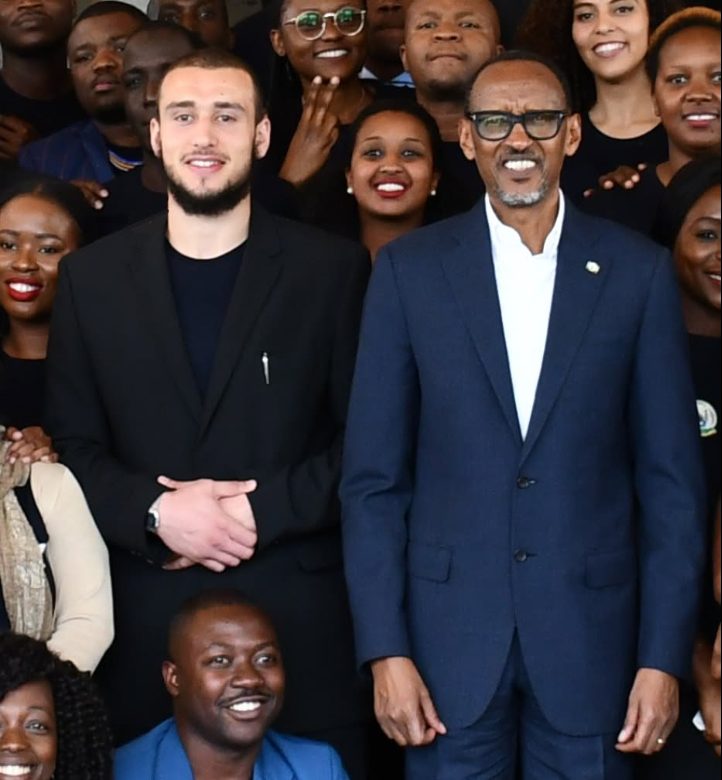
Libya’s future is written in two directions: north across the sea, and south across the desert.
What Libya gains in return
African markets are young, growing and increasingly integrated. The African Continental Free Trade Area is creating one of the largest trading areas in the world, and Libyan businesses that build relationships early will be well placed to benefit. African partners also bring experience in areas where Libya is investing, from digital public services to youth entrepreneurship and renewable energy.
A fair reading of what it takes
Good intentions are not enough. Partnerships across the continent require consistent presence, institutions that follow through, and people with the languages and cultural knowledge to work across borders. Transport links, both overland corridors and direct flights, need sustained investment. These are practical challenges, and each one is also an opportunity for cooperation with partners inside and outside Africa.
Starting with people
The most durable African partnerships I have seen began with people who knew each other: classmates, fellow volunteers, colleagues on a training programme. Investing in youth exchange, professional networks and academic cooperation is the most reliable way to build the relationships that trade and diplomacy later rely on.
Libya has a natural place in Africa’s future. Taking that place fully, with confidence and in partnership, is in the interest of Libyans and of the continent we share.
The views expressed in this article are my own and do not represent any employer, government body or institution with which I am affiliated.
Your view
Was this article useful? Rate it, leave a comment or suggest a topic. Comments come to me directly and are not published automatically.