Governance and Public PolicyOpinion
A strategy is only as strong as its delivery plan
Good plans become real results when ownership, resources and regular review are built in from the first draft.


Over the past decade, Libyan institutions, partners and experts have produced many thoughtful plans. They reflect real commitment and a shared understanding of what the country needs. The question I keep returning to, whether in diplomacy, investment or public policy, is a practical one: what turns a good plan into visible results?
In my experience, the answer rarely lies in the vision. It lies in the delivery plan: the part of a strategy that explains who will do what, with which resources, by when, and how we will know it worked.
Start with delivery on the first page
Implementation is often treated as the final chapter of a strategy. I believe it belongs in the first conversation. When a team writes an objective, it should ask at the same moment: which institution owns this, what will it cost, and what is the first step in the next ninety days?
This discipline makes a strategy more modest in places, but far more credible.
A priority becomes real when it has an owner, a budget line and a date.
Four building blocks of delivery
01Clear ownership
Every commitment needs a named institution and a responsible unit. Shared responsibility is valuable, but someone must be accountable for convening others and reporting progress.
02Resources linked to priorities
Plans gain strength when they are linked to annual budgets and to the work plans of ministries and municipalities. Where resources are limited, sequencing priorities openly is better than spreading them thinly.
03Simple measures of progress
A small set of meaningful indicators, reviewed regularly, is more useful than a long list that no one tracks. Baselines matter: we can only show progress if we know where we started.
04Regular, transparent review
Short review cycles allow teams to learn and adjust. Sharing progress with stakeholders, including citizens, builds trust even when results take time.
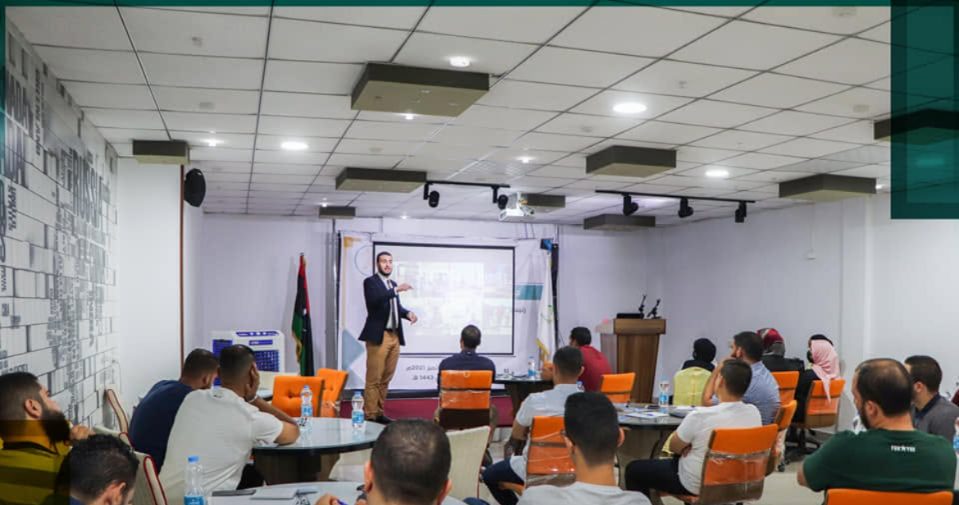
Delivery is a team effort
Strategies cross institutional boundaries. Youth policy, for example, touches education, employment, health, culture and local government. Effective delivery depends on coordination that is practical rather than ceremonial: a small working group with the authority to decide, a shared calendar of milestones and a habit of solving problems together.
Libyan professionals at home and abroad are an important part of this effort. Many bring experience in project management, finance and technology, and are ready to contribute when roles are clear.
What this means in practice
When I chair working sessions, I try to end each one with three questions: what did we decide, who is responsible, and when will we review it? They are simple questions, but they change the culture of a meeting from discussion to delivery.
Strategies are statements of intent. Delivery plans are statements of responsibility. Libya’s institutions have the knowledge and the people to do both well, and partners can help by investing in the systems that turn good intentions into lasting results.
The views expressed in this article are my own and do not represent any employer, government body or institution with which I am affiliated.